



The history-making opportunity to become the first woman to lead the Liberal Party could not have come at a more turbulent time. Within days, Sussan Ley had lost her mother and was steering the Coalition through an ill-considered split. As the dust settles, she invites The Weekly into her home to talk about grit, grief and her promise to Australian women.
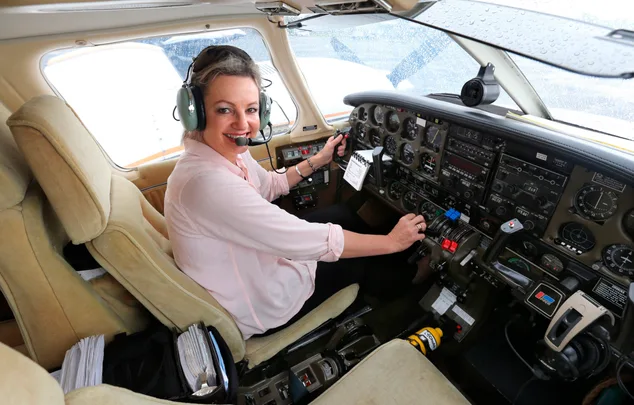
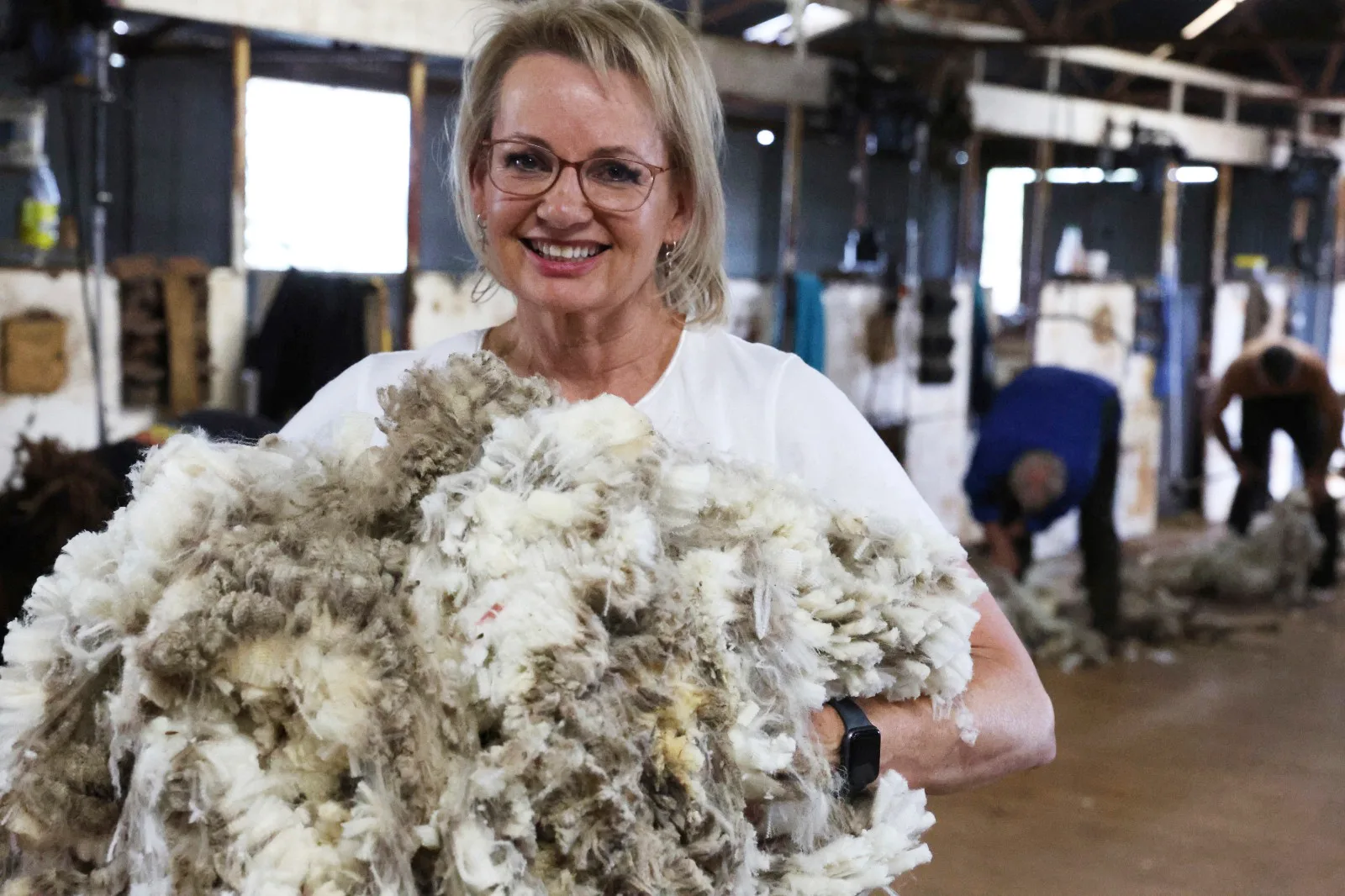
Sussan Ley has had many challenging jobs. As an 18-year-old, she spent her nights dragging commercial vacuum cleaners through Myer in Belconnen. She was briefly an air traffic controller at Australia’s busiest airport, then worked as an aerial stock-musterer, flying low over Queensland’s parched Channel Country, herding livestock. Since being elected to parliament in 2001, she’s held high-profile cabinet ministries and served as Deputy Leader of the Opposition. She’ll tell you her toughest gig was working as a shearer’s cook, which meant rising at 4am to light the wood-fired stove. She was expected to produce a hot breakfast, lunch and dinner, plus cake and pies for tea breaks, for shearers who made it known they could fire her if they didn’t like her grub.
“You made everything from scratch with kerosene fridges and wood stoves in basically something that looked like a bark hut in the hot sun,” she says. “You actually sometimes found yourself cutting up the sheep.” That didn’t happen often, but she’s not squeamish or afraid of hard work. On weekends, she’d drive into town to call her mother, Angela Braybrooks, on the payphone for cooking advice.
“I wanted to excel,” Sussan says.
Her résumé reveals deep reserves of resilience and determination. Her newest role, however, will test her mettle. The task she faces is monumental.
Election shock
On May 3, Liberal Party leader Peter Dutton was summarily dismissed by voters, along with another 14 of the party’s MPs. A decimated Coalition would remain in Opposition. The leadership was declared vacant. For Sussan, who’d been anxious about her party’s chances going into polling day, it was not the loss that was the shock, but the degree of the public’s rejection.
“I didn’t expect the result to be as bad as it was,” she says. “It was a shocking defeat.”
Former National Party Leader Barnaby Joyce called it a bloodbath. Journalist and former Liberal insider Niki Savva said the party had been brought to the “brink of extinction”.
Those who remained had to decide who would take the reins. The position that Tony Abbott, Malcolm Turnbull and Scott Morrison had gone to war over was now viewed by some as a poisoned chalice. Sussan put her hand up. So did then-Shadow Treasurer Angus Taylor.
“I knew that it was my time and that I was the best person for the job, and it was time for me to step up,” Sussan says. The Liberal Party had never had a female leader. If she was elected, Sussan would make history. It was an emotional undertaking. Amidst the pain of electoral defeat, and the pressure of securing the top job, her mother was dying.
Leadership tilt
The contested ballot was slated for Tuesday, May 13. The Sunday before was Mother’s Day. Sussan went to Albury to be with Angela, then returned to Canberra. On the Monday night before the ballot, Sussan FaceTimed her mother, with the help of Angela’s priest, Father Peter.
“I was able to have that final conversation with her,” Sussan says. “I thought it might be my last – it pretty much was the last one where she was able to really hear what I was saying. And she couldn’t really talk but she heard what I said.”
The day of the vote arrived. Sussan had to hold her nerve.
“I hadn’t really had any sleep because of my mum,” Sussan says. “I’d woken up and the cumulative toll of my mother’s illness and the intensity of the campaign, and then putting your hand up for leadership – obviously, it was fairly intense. But as I walked down the corridor to the party room, I just took a deep breath and thought, ‘Well, this is my workplace. I’ve been coming into this building which I love, doing a job I’m so proud to do … for 25 years … This is my moment.’
“I didn’t know what the result would be, but I was comfortable.”
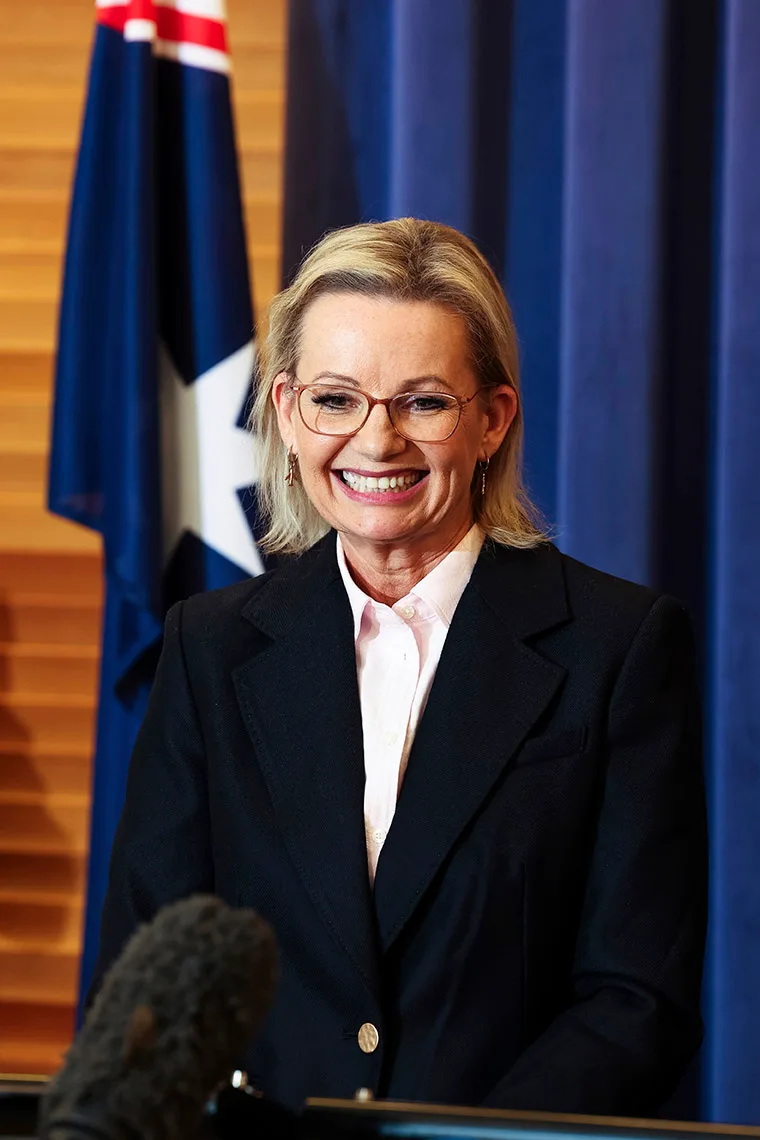
Sussan was victorious. In her nursing home in Albury, Angela was watching. “She watched the press conference after I became leader,” Sussan says. “She was most interested in it and then after I’d finished speaking, she put her head back on the pillow.”
A moment in history
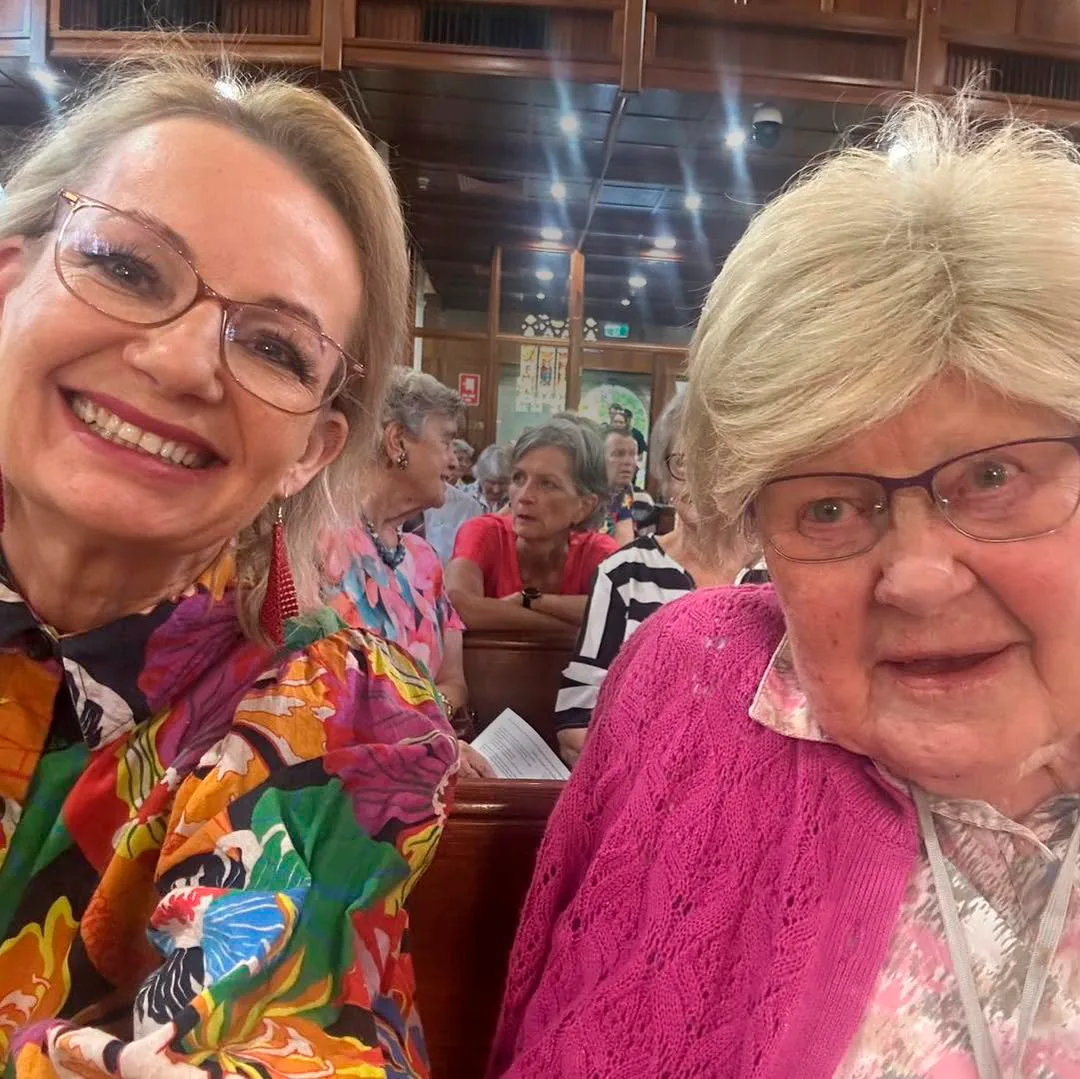
Sussan would later drive back to Albury and see her mother’s eyes light up “with excitement”. It was, she’d later say, “a moment I will treasure forever”. Angela died on May 17.
But before that, Sussan addressed the press gallery as the first female leader of the Federal Opposition, and the first woman to captain the Liberal Party. Her focus on the task ahead sharpened.
“I felt that sense of honour very strongly,” she says. “If I had felt tired before that moment, I didn’t feel tired afterwards … I felt, ‘Okay, there’s work to do because the team around me is smaller than it was before the election, but it’s a great team and it’s time to go to work now for the Australian people’.”
Learn to Fly
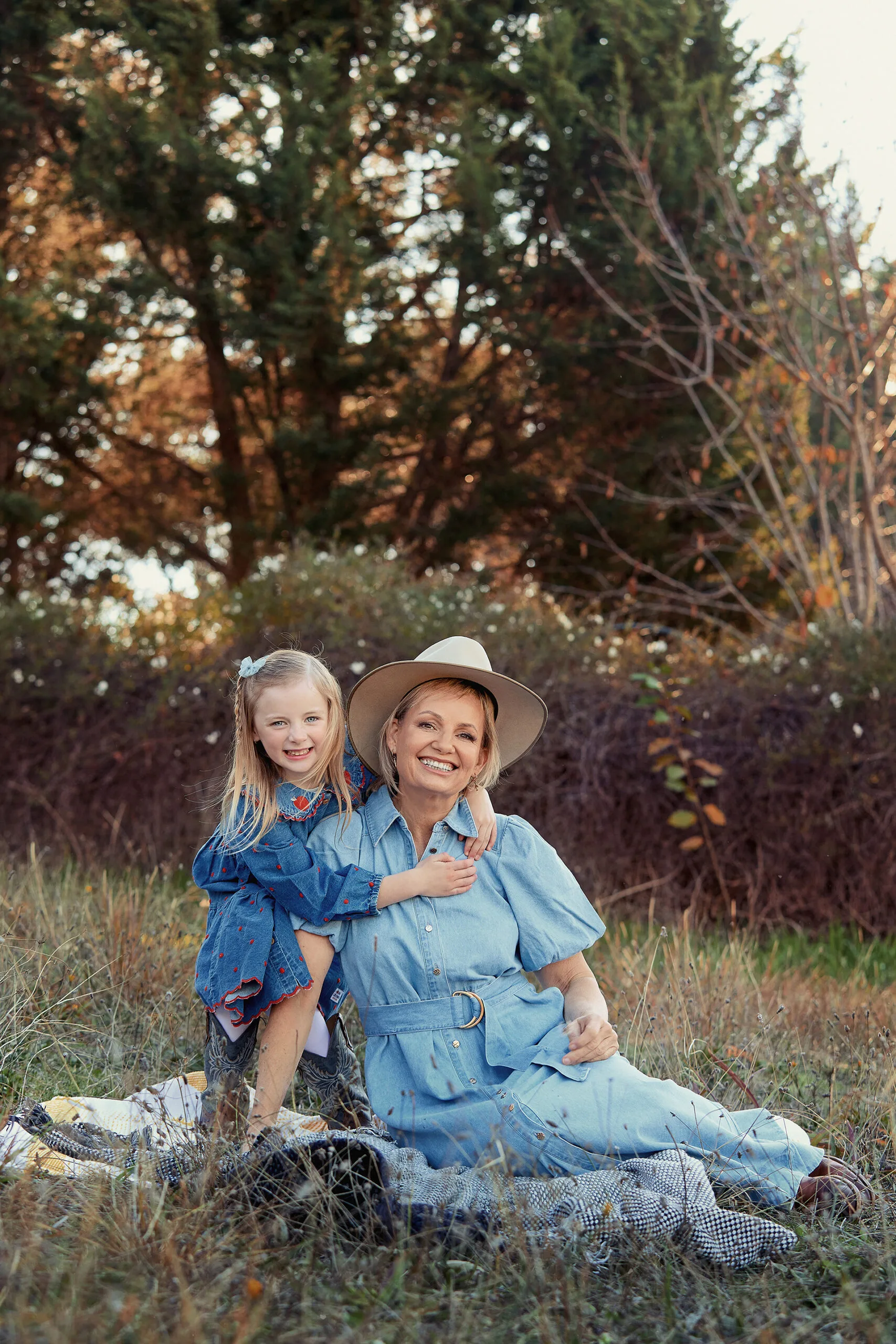
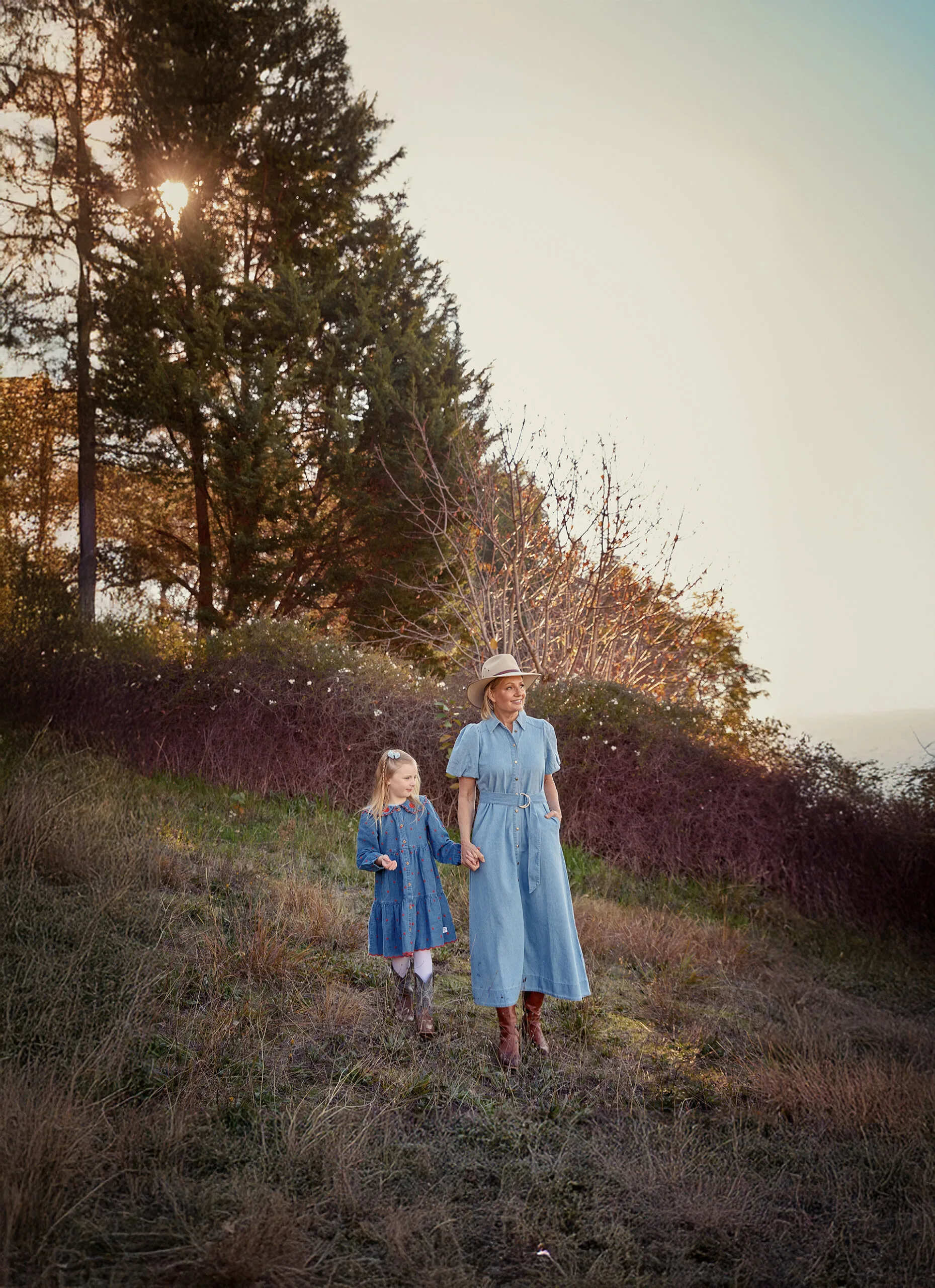
Sussan’s granddaughter, Sage, putts around on a blue scooter, calling out observations and questions to Sussan, who she calls “Glams”.
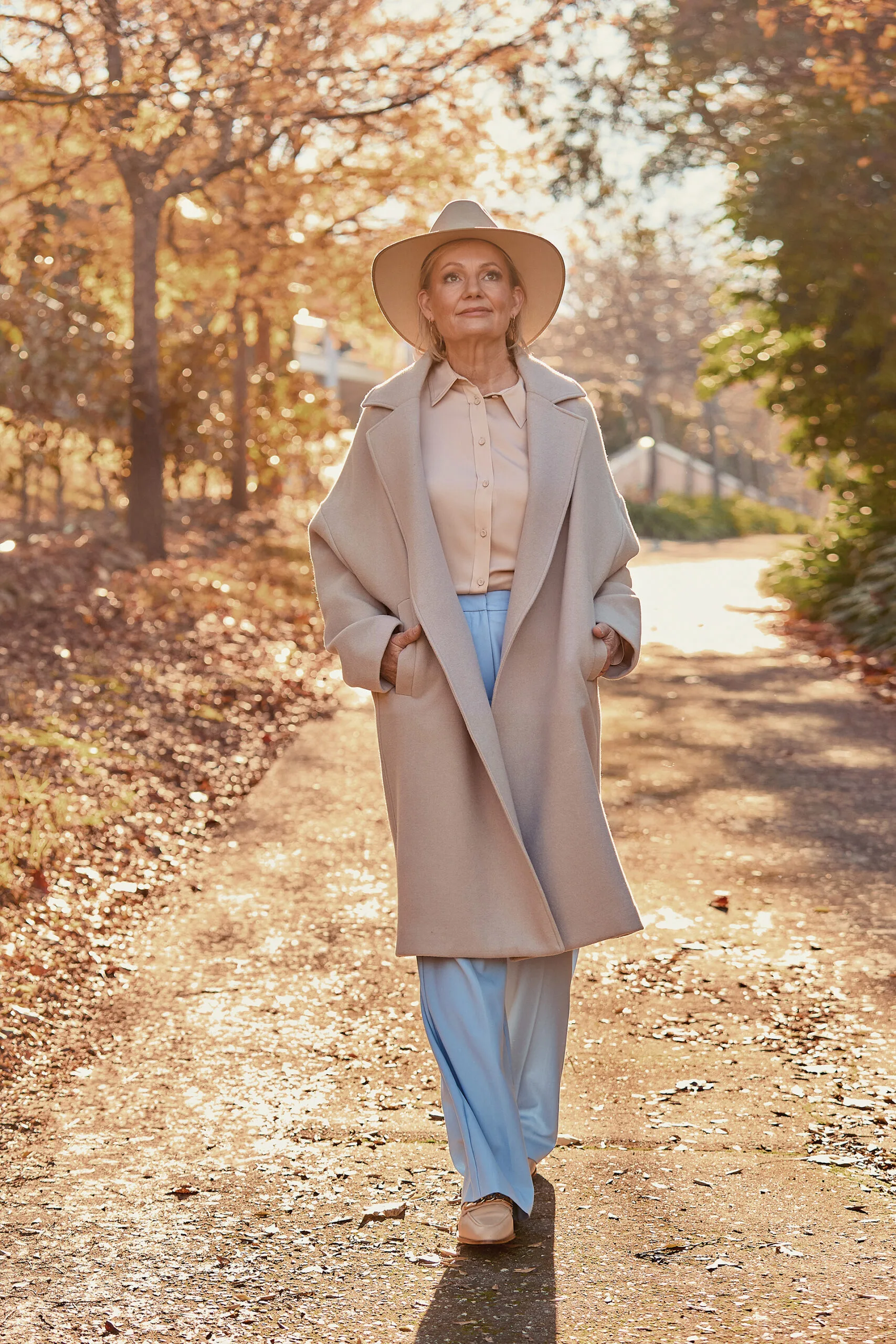
“There are no nanas in this house,” Sussan says as The Weekly’s stylist helps her pick some shoes in her Albury home, which has a view of the flight path. Little gold airplanes hang off her earrings. “My mother would always say to me, if it didn’t have wings, I would throw it out of the cot.”
Sussan was born in Nigeria, where her father worked for the British intelligence service. Her mother was a nurse whose father, an English country vicar, had bipolar disorder. “Nobody knew that’s what it was, so she had a very difficult childhood,” Sussan says. Angela’s mother tried to leave twice. “He would say, ‘If you don’t come home, I’ll kill myself.’ So, her mother went home.”
Angela eventually became a mental health nurse and realised how unwell her father had been. “She sort of forgave him,” Sussan says, adding that her mother taught her resilience, self-reliance and persistence.
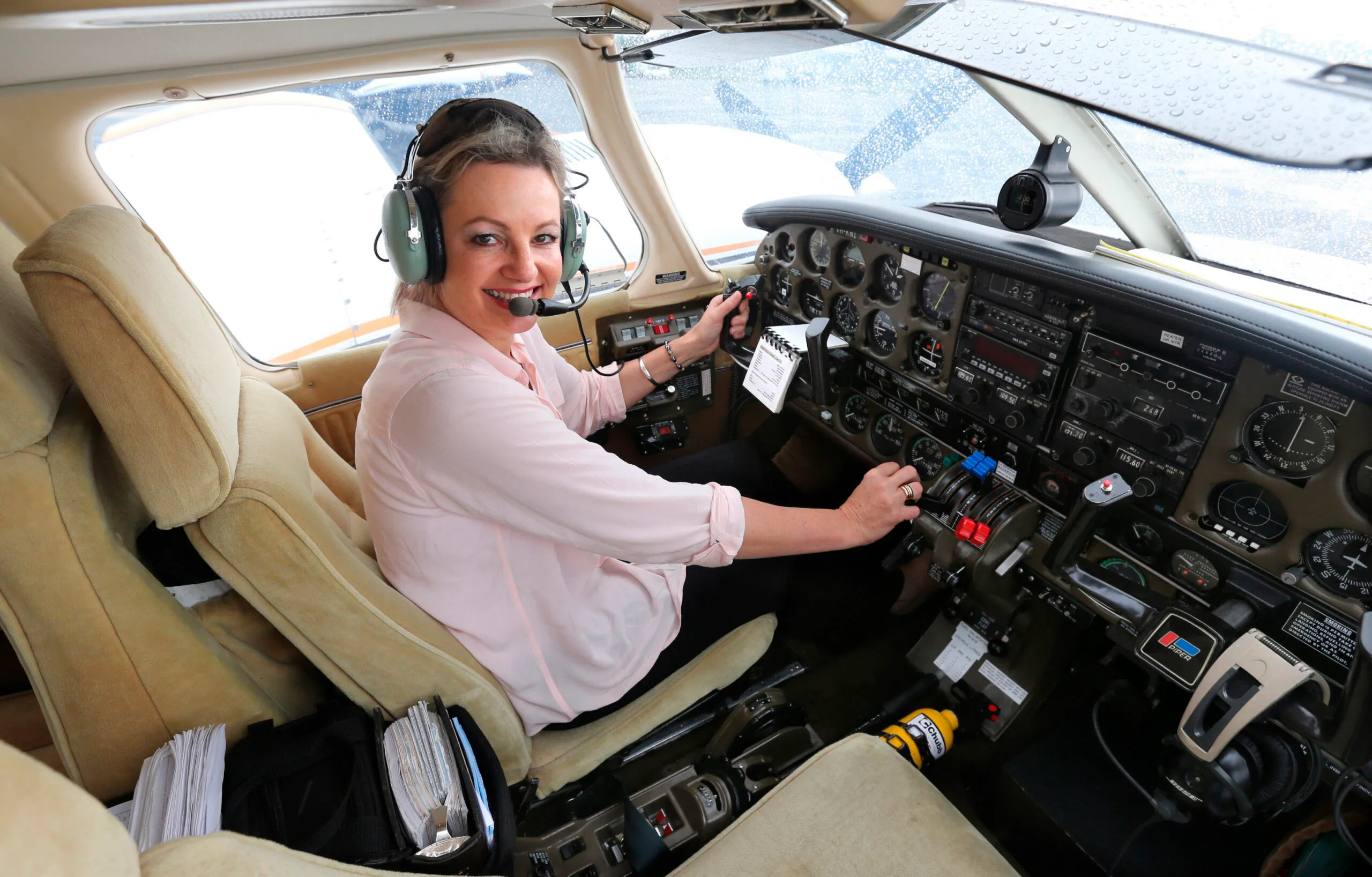
Much of Sussan’s childhood was spent in the United Arab Emirates. Her family migrated to Australia when she was 13. She’s often spoken about her rebellious teen punk years in Canberra, when she added the extra ‘S’ to her name. Her ambition was to become a pilot. “People said, ‘You wear glasses, so you won’t be able to fly and there aren’t women flying big jets. You’re uncoordinated so that’s not going to work’.”
Going Bush
Once qualified, she found a job in Thargomindah, about 1000km inland from Brisbane. She packed up her Coogee flat and drove north.
On the road between Nyngan and Narromine, Sussan pulled over and set up her swag for the night amid the low, scrubby trees.
“Then in came a motorbike with headlights glaring at me and I remember sitting up and hearing this huge noise … the person lifted the visor on their helmet and said, ‘Ah, you’re here all by yourself are you?’
“I reprised a line from a Clint Eastwood movie. It was something like: ‘I’m here with my tall skinny mate’.” En route, Sussan had stopped off at the Queanbeyan gun shop and picked up a semi-automatic rifle, which was legal at the time. Her father had given her some safety lessons.
“The gun was literally lying down the side of the sleeping bag, so I was able to pick it up and wave it in the general direction of this individual. I think my hands were shaking so badly.” The rifle wasn’t loaded but it did the job. “He was gone like that.” Sussan packed up her gear and drove non-stop, heart pounding, until she reached Thargomindah. Sussan fell in love with life on the land. In Thargomindah she met John Ley, who was saving for a stake in his family farm. They bought a caravan and moved around. Sussan worked in shearing sheds, picking up fleeces in 40-degree heat.
“One day, at a shearing shed near Keith in SA, the cook didn’t turn up, so the contractor said, ‘You’re a girl, so you’ll do’.” It was a terrifying commission for Sussan who didn’t know how to cook. But she learnt with the help of those phone calls to her mother.
Life on the land
Sussan and John married and settled on a dairy and livestock farm near Tallangatta in north-east Victoria. They had their first child, a son named Paul. When he turned one, Sussan enrolled
in an economics degree at La Trobe University in Wodonga. She arrived in the farm ute, with the baby capsule in her hand and “my heart in my mouth”.
“I felt I didn’t look right, and didn’t sound right, that I was older than all the students,” she says. “I still remember parking the ute and having the baby in the capsule and thinking, ‘I don’t fit in here. I’m just going to creep back down the stairs.’ The Vice-Chancellor stepped out of her office and glanced at the capsule and said: ‘Oh, I’ll help with this. Come in here.’” Her name was Julie Jackson. “I still remember it because had I not taken that step, I don’t know where my life would have gone.”
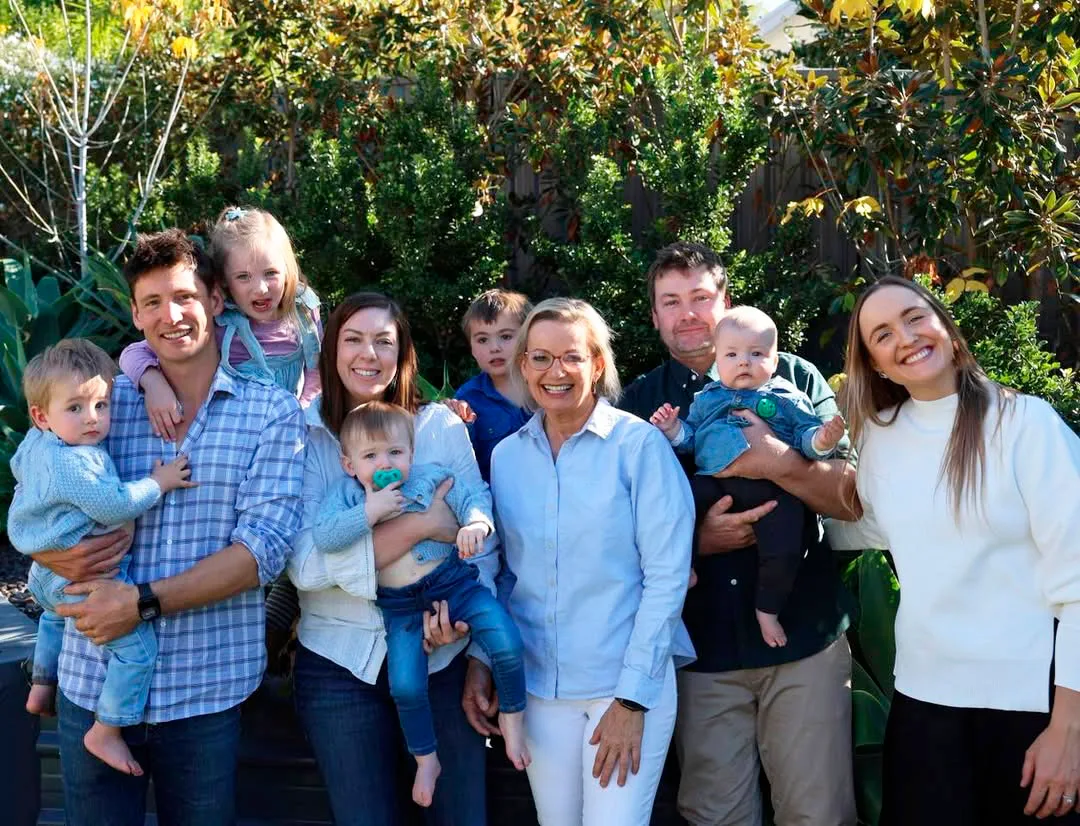
Over the next 10 years, Sussan studied part-time. She had two daughters, Isabel and Georgina, completed her economics degree and earned Masters degrees in Accounting and Taxation Law. She started working for the ATO and joined the local branch of the Liberal Party. In 2001, Sussan put her hand up to run as the Liberal candidate for the seat of Farrer. The huge rural electorate that runs along the NSW southern border had been held by the Nationals since 1984. Sussan painted a caravan Liberal-blue and applied the work ethic that had got her a pilot’s licence and the admiration of hungry shearers. She won by 206 votes. Since her narrow victory in 2001, Sussan has earned broad support in her community and now holds the seat by a comfortable margin.
Entering the fray
In her second term, John Howard appointed Sussan Parliamentary Secretary for Family and Community Services, and later Agriculture, Fisheries and Forestry. Sussan and John divorced in 2004. She told The Australian in 2015 “It wasn’t because of parliament but I think it probably hastened the inevitable end.”
When the Kevin ’07 phenomenon swept the Liberals into opposition, she picked up key shadow Ministries, including Housing, Women and later, Justice. Back in government, she managed
the complicated portfolio of Health. However, in 2017 she bowed to pressure to quit the front bench, following an expense scandal that involved costly charter flights and the purchase of an $800,000 Gold Coast property while on a taxpayer-funded trip. For a time, her political death looked imminent, but she recovered. In 2022, she was made Deputy Leader of the Liberal Party.
When Australia went to the polls in May, Sussan was the Liberals’ second-in-command and the Shadow Minister for Women. Reflecting on why the party lost so badly, she admits they lost the trust of women.
“One of the senses I have is that women didn’t see an offering from the Liberal Party that was relevant to their lives and circumstances,” she says. “I had many conversations that allowed me to reflect on the time when I was a busy working mum, like so many mums now … And it was the work-life balance that was such a challenge, and I never felt that I got any of it right. I was failing with my employer or I was failing with my family. And that sense of being pulled every which way and struggling with the cost of living was something a lot of women talked to me about as they stood waiting to vote.”
Liberals in Limbo
Women’s support for the Liberals has been in decline since the start of the century, so when Sussan’s first cabinet featured three fewer women than Peter Dutton’s, there were pointed questions from the media, and criticism from within party ranks. Victorian Senator Sarah Henderson, who held Education and Communications portfolios in the previous term, released a statement voicing her disappointment. “I regret that a number of high-performing Liberal women have been overlooked or demoted in the new ministry,” she said.
“There’s quite a few senior women around me,” Sussan says. The party’s leaders in the Senate are Michaelia Cash and Anne Ruston. “When we don’t win seats, we lose women. You have to make that point.”
On the question of whether the Liberal Party needs to introduce quotas to boost female participation, she says the party system “doesn’t allow the federal leadership to direct quotas” but she’ll be having “tough conversations” with the state divisions about getting more women into the party. “We need to absorb the message we’ve been sent with humility,” she adds.
To that end she has commissioned a review of the election campaign and is planning “a longer-term review about our party and how we ensure the modern Liberal Party is fit for modern Australia”.
The task ahead
After our photoshoot wraps up, she retreats into the warmth of her home to make Sage a snack and answer questions about how she’ll bring her beleaguered party back from the brink.
At her first press conference as leader, Sussan said she does believe “government is ultimately formed in the sensible centre”. On specific issues her policy for now is simply to listen; however, as The Weekly went to press, Sussan vowed in a National Press Club address to never let domestic and family violence fall down the list of priorities. The scourge, she said, is “our country’s greatest national shame”.
“My elevation to this role as a woman does send a signal to women,” she tells The Weekly. “It’s much more than that. It’s about our party, our policies and what we do next, but I am proud of the signal it sends.
“I want the women of Australia to know that I accept we didn’t meet their expectations and I’ll work incredibly hard to restore the faith and trust that we’ve lost.”
This article appears in the August 2025 issue of The Australian Women’s Weekly. SUBSCRIBE so you never miss an issue.

Related stories

Native ad body.
Native ad body.
Native ad body.