




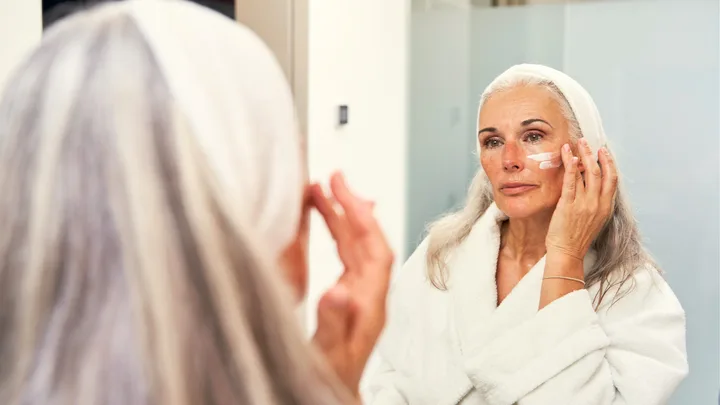
Could peptides be the unsung superheroes behind firmer, plumper-looking skin?
We’ve seen some quirky skincare treatments come and go in recent decades: Snail slime, salmon sperm, and vampire facials led the way in the not-for-the-squeamish solutions to smoothing out complexion creases. Jennifer Aniston prompted tongues to wag when she admitted to having peptide therapy (a weekly facial injection of amino acids).
Why would anyone do that? The theory behind it goes something like this: Amino acids are tiny fragments that, when combined, form peptides; those peptides are the building blocks of proteins like collagen and elastin (which are the bricks and mortar of firm bouncy skin).
What are peptides?
Peptides are minuscule but powerful. They take a leadership role, whip-cracking cells into ramping up collagen production.

“Peptides are becoming a must-have ingredient,” explains Dr Eleanor Bradley, a UK-based senior scientist at skincare brand No7, where years of research have been poured into understanding peptides.
“For me, the real beauty of peptides is not just how well they work at rejuvenating and repairing skin, but also how well tolerated they are.”
That is in part due to their very agreeable nature – they play well with most other ingredients and even get along with sensitive skin. Partly that’s because peptides themselves don’t do any aggressive heavy lifting, they’re more like air traffic controllers that give instructions to other cells (think “Mayday! More collagen needed here!”).
This happens naturally in our skin every time we get a scrape or scratch but, now that scientists know how to make peptides in the lab, we can bypass the injury and go straight to the collagen-making by applying peptides directly on the skin. Simple, right? Not so – you can’t just add these clever messengers to a skincare formula in their natural state. They need to be lab-engineered into a stable form, regardless of whether they originally come from a plant, animal or chemical.
“We worked with scientists at the University of Manchester to predict how proteins like collagen would break down naturally when skin gets damaged, and what peptide fragments would be released as they do,” says Dr Bradley.
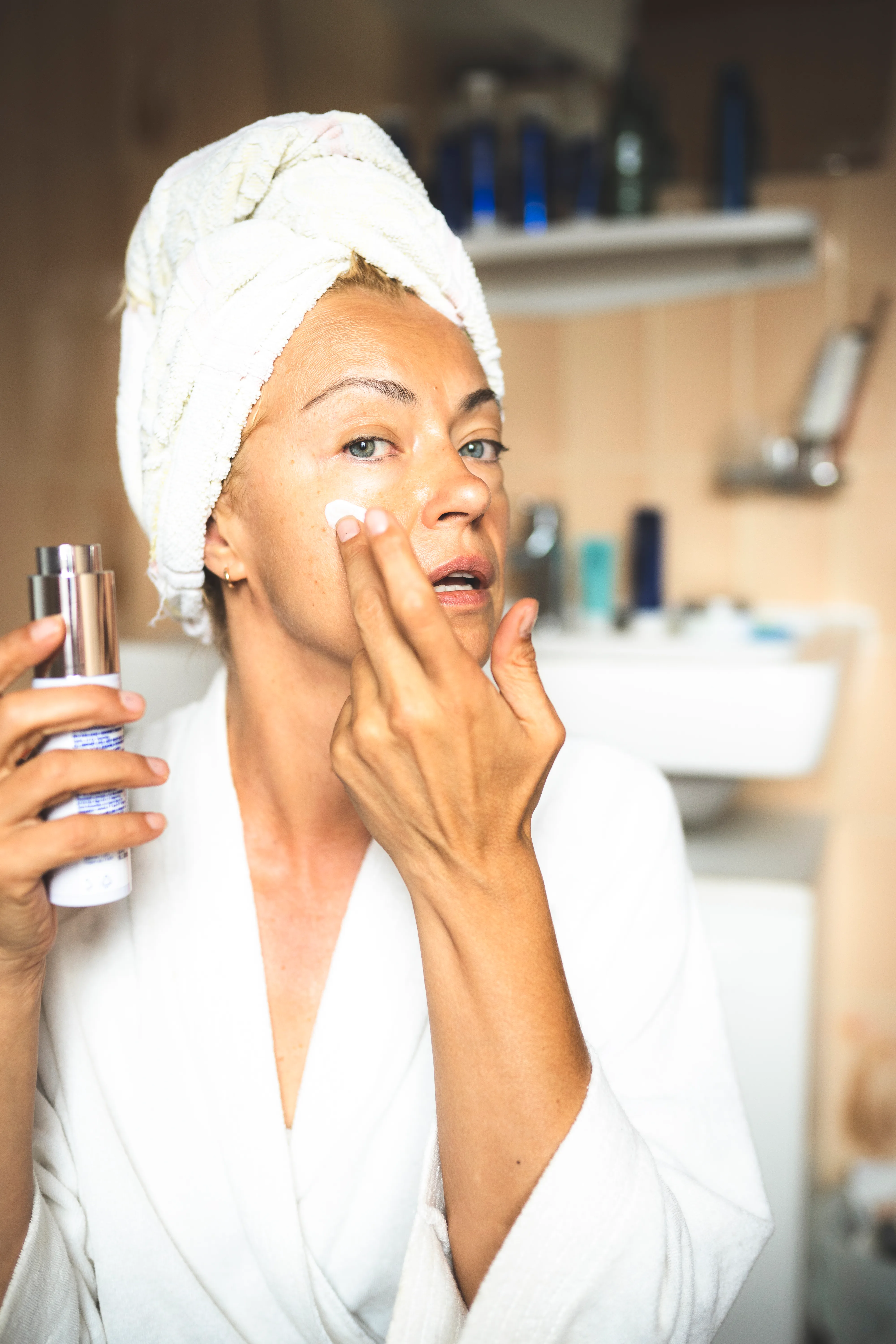
“We know these tiny peptides can act like signals that the skin needs to repair itself … this includes boosting the levels of collagen and elastic ‘springs’ in the skin. By bio-hacking this natural repair process we have been able to create a world-first peptide blend that can support the skin’s natural self-repair process.”
The key word there is “blend” because, on its own, a single peptide can only do whatever its natural biological aim is, which could be anything from firming or reducing redness to fighting microbes. The real magic is in how peptides are combined.
“There are thousands of peptides and each has their own function,” says skincare brand Deciem (The Ordinary) Chief Scientific Officer Prudvi Kaka.
But there are many thousands of possible combinations. “Newer peptides can even do topically similar things to what Botox can do inside the skin – reducing the magnitude of the contraction load on the skin. Even if you’ve already tried Botox and want to continue or extend the benefits, peptides can be the perfect solution.”
Of the thousands of peptides scientists have ‘designed’, there are whispers that some rival retinol, a form of vitamin A that has long been the gold standard ingredient for improving fine lines.
“For people who have issues with retinol or other active ingredients like acids and vitamin C, peptides are very powerful,” explained New York dermatologist Dr Dennis Gross when we sat down to chat about new skincare developments on his recent visit to Sydney.
“Peptides can rival other ingredients in the sense that they can grow collagen but the receptors are totally different, so you don’t usually get sensitivity.”
In fact, there are peptides whose sole purpose is to reduce sensitivity. “Some peptides could potentially help to target long-term low-level skin inflammation,” says Dr Bradley. They do, of course, do this best when they have the support of friends (other well-proven ingredients like vitamins B and C and hyaluronic acid), which all happily play different roles in their social circle to firm, brighten or rehydrate your complexion.
The difficulty, as with any ingredient, is delivering it deep into the skin where elastin and collagen are made – an issue that Jennifer gets around by injecting it straight into the lower layers.
While scientists have already identified thousands of peptides, there is a lot still to discover. “This ingredient is already being used in medical research as potential therapies for various illnesses, with many peptides now in clinical trials,” says Dr Bradley. “I think discoveries in their therapeutic benefits will continue to grow as we advance in machine learning and bioinformatics.”
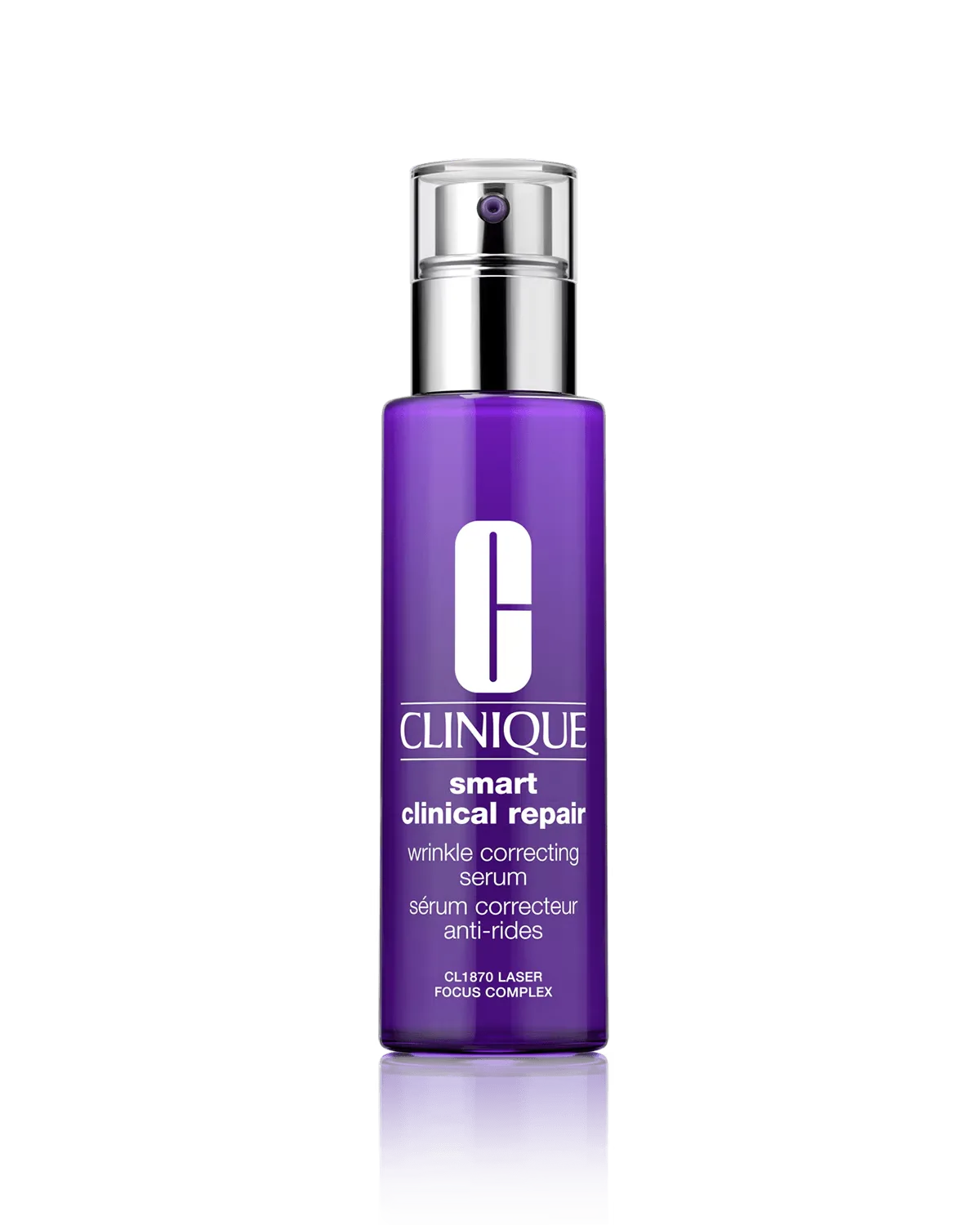
01
Clinique Smart Clinical Repair™ Wrinkle Correcting Serum
from $112 at Clinique
Rich in collagen-friendly peptides.
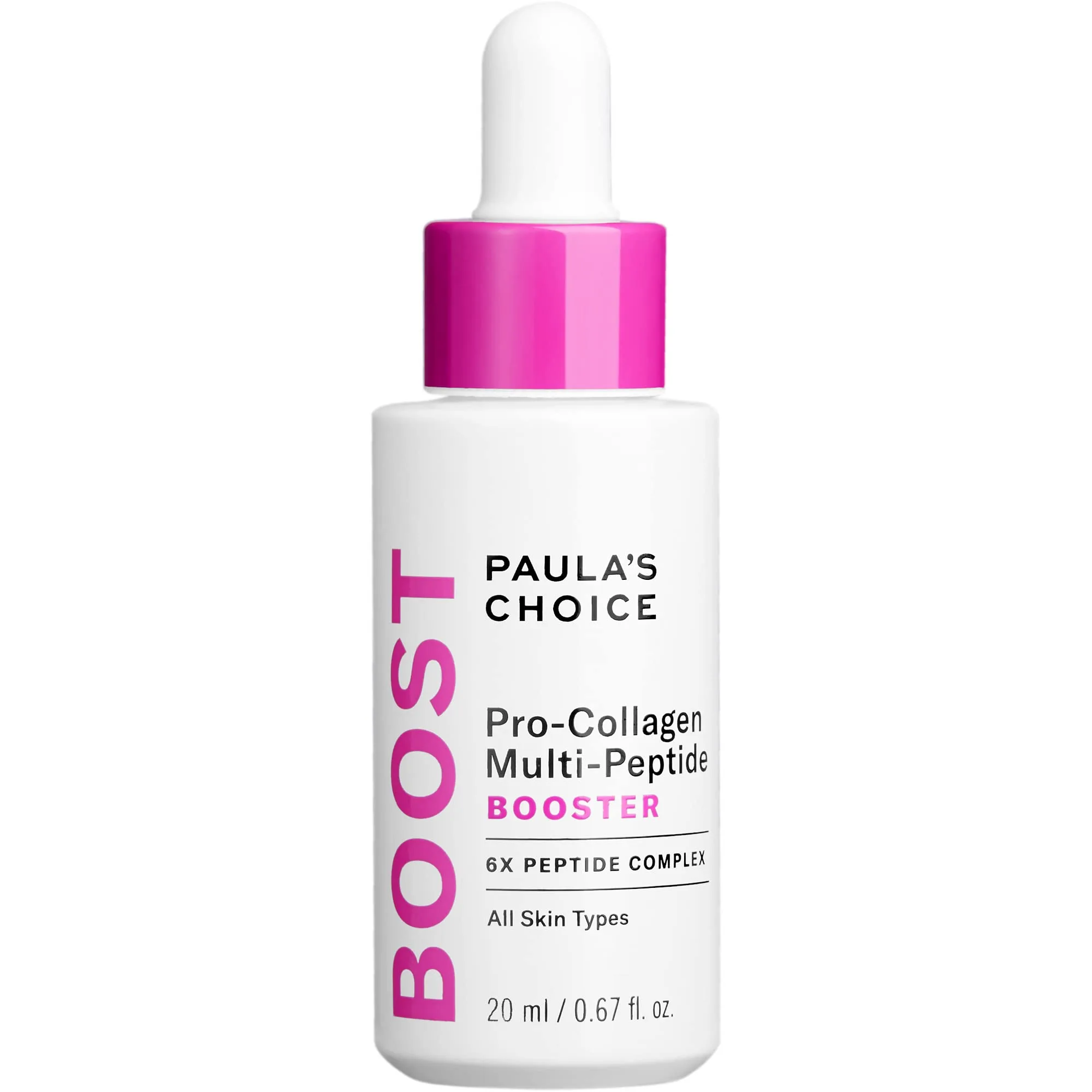
02
Pro-Collagen Multi-Peptide Booster
from $89 at Paula’s Choice
Targeted treatment with six pro-collagen peptides.

03
No7 Future Renew™ Repair Serum
from $47.59 at Priceline
Aims to repair visible signs of skin damage in just 4 weeks thanks to its Pepticology™.
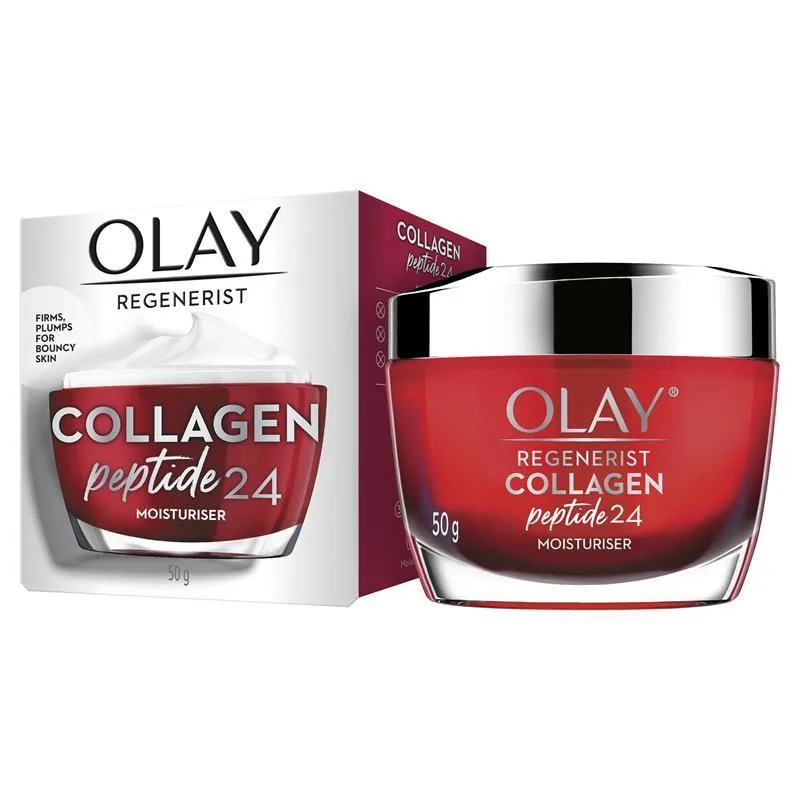
04
Olay Regenerist Collagen Peptide 24 Moisturiser
from $29.99 at Priceline
A fragrance-free, creamy moisturiser enriched with collagen peptide and Niacinamide.
05
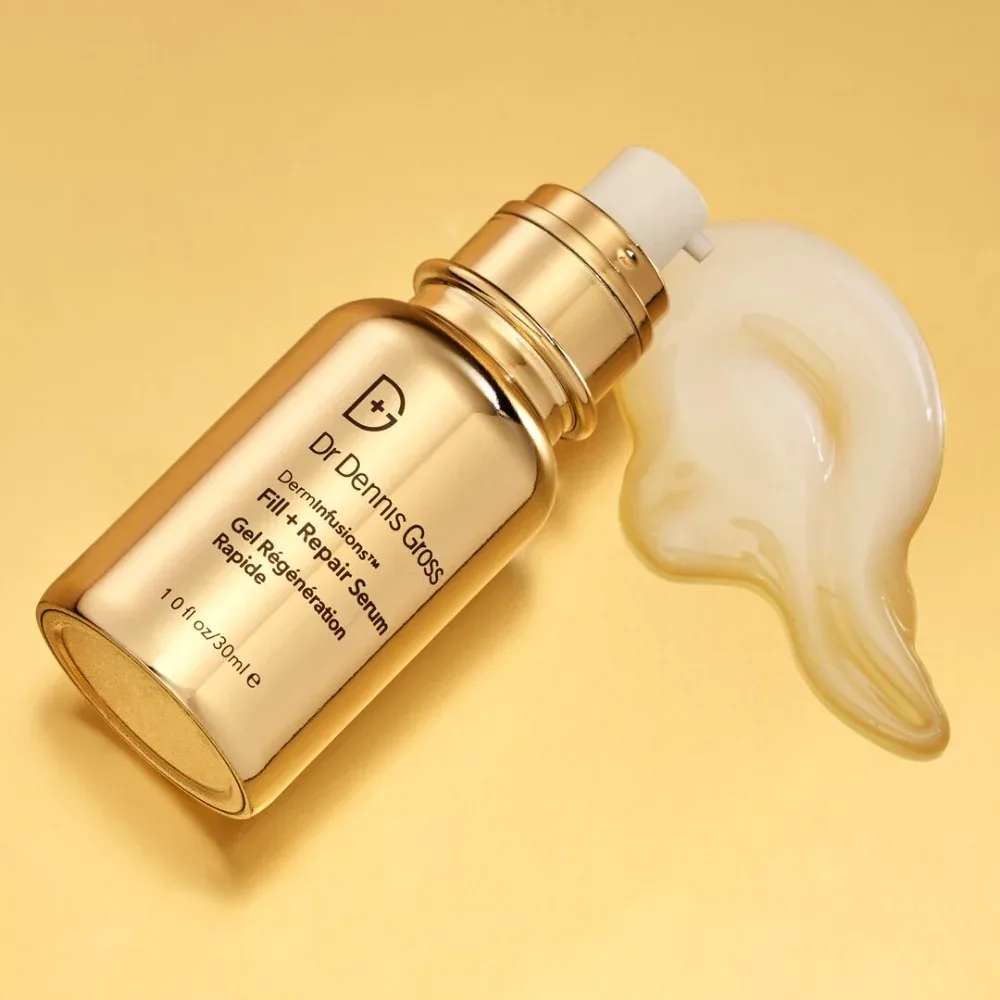
Dr. Dennis Gross DermInfusions 3D Visible Fill + Repair Serum
from $130.18 at REVOLVE
Aims to restore the skin’s moisture via a MicroCelle Delivery ™ system.
06
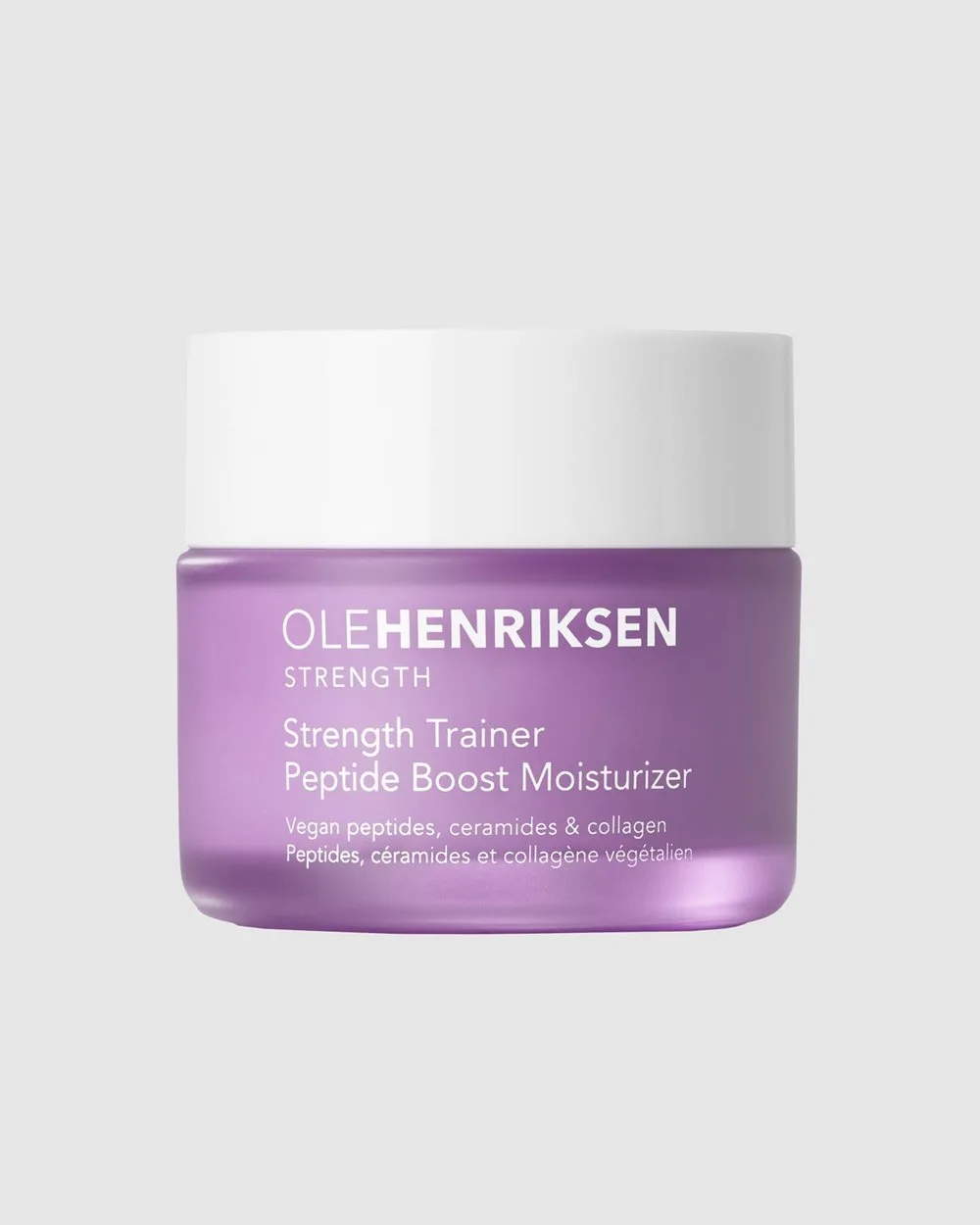
Ole Henriksen Strength Trainer Peptide Boost Moisturizer
from $72at Sephora
Features hyaluronic acid, vitamin B and eight different peptides.
07
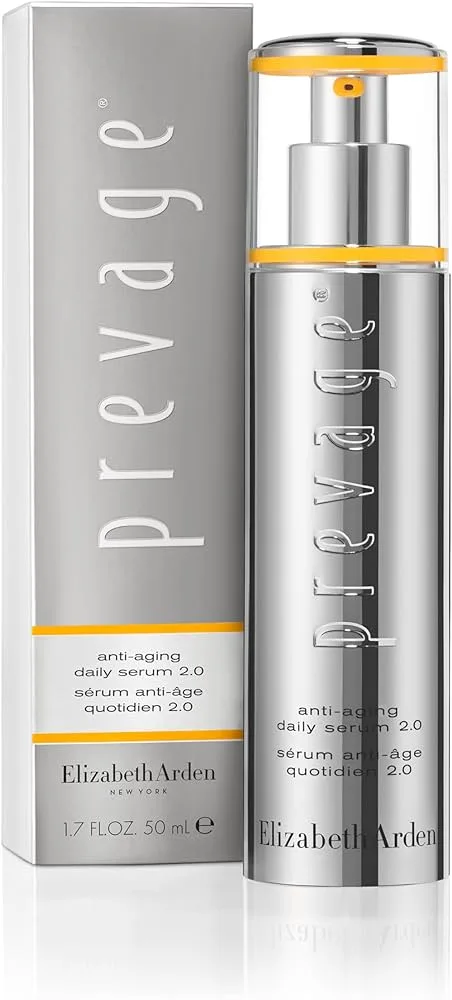
Elizabeth Arden Prevage Anti-Aging Daily Serum
from $230 at Adore Beauty
Contains Idebenone, an antioxidant which aims to help against environmental damage to your skin.

